
Sore after a deep tissue massage? What is normal and what is not
A dull ache for a day or two is ordinary. Sharp pain, numbness or bruising is not. Here is the timeline, the short list of things that belong with a doctor, and the one sentence that stops it happening again.
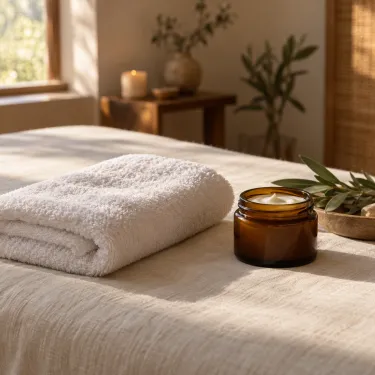
Being sore after a deep tissue massage is common, it is usually mild, and it usually lasts a day or two. It feels like the day after an unfamiliar workout — a dull, warm ache when you move the area, rather than anything sharp. That is the ordinary version. There is also a version that is not ordinary, and the difference is worth knowing before you decide whether to worry.
The short answer, with a timeline
Most people notice the ache arriving a few hours after the session and peaking the following morning. It settles over the next day. By the end of day two it is normally gone, and by day three the area usually feels better than it did before you booked.
Roughly, then:
Hours 0–4. Loose, slightly heavy, occasionally a little spacey. Some people are tired enough to want a nap.
Day 1. The dull ache, worst when you first move after sitting still. Tender to press, but not painful when left alone.
Day 2. Fading. Range of movement noticeably better than before the session.
Day 3 onwards. The reason you booked it.
Why it happens at all
Deep tissue is not simply a firmer version of a relaxation massage. The technique is different: slow, deliberate strokes worked across the grain of the muscle fibers, with concentrated friction on the specific spots you pointed at during the consultation. A high-grip cream is used instead of a gliding oil, precisely so the therapist can stay on one place and work it rather than sliding past.
That is unfamiliar load on tissue that has often not been asked to do anything for months. The soreness afterwards is the tissue responding to being worked, in the same way it responds to a new exercise. It is not a sign that something went wrong, and it is not a sign the session was good either — plenty of excellent deep tissue work leaves no soreness at all. If you want the mechanics of the hour itself, what deep tissue massage actually involves walks through it in order.
What is not normal
Massage is not medical care and this article is not medical advice. But there is a short list of things that are outside what a massage should leave behind, and the honest answer to all of them is to speak to a doctor rather than to book another session.
Sharp, stabbing or shooting pain. Ache is dull and diffuse. Anything sharp, especially anything that travels down a limb, is a different thing.
Numbness, pins and needles, or weakness. Not soreness at all. Get it looked at.
Real bruising. Faint tenderness is normal; visible bruises from a massage are not something to accept as part of the deal.
Pain that is worse on day three than on day one. Ordinary post-massage soreness fades. Anything that escalates is telling you something else.
Anything that stops you sleeping or moving normally. That is more than a session should ever cost you.
What actually helps in the meantime
Water, unglamorously. Not because it flushes anything out of you — that claim is overstated wherever you read it — but because being mildly dehydrated makes every kind of muscle ache feel worse.
Gentle movement, not rest. A twenty-minute walk does more for a sore back than an afternoon on the sofa. Stillness is what makes it stiff again.
Warmth. A warm shower, a bath, a heat pack on the area for ten minutes. Most people find heat more comfortable than ice for this particular ache.
Not booking another deep session tomorrow. Give the area three or four days. What to do between massages covers the rest of the week properly, including the two habits that undo an hour of work faster than anything else.
How to be less sore next time
This is the part most people skip, and it is the part that works.
Say something during the session. The rule is simple: you should feel the pressure, and you should still be able to breathe through it normally. If you are holding your breath or gripping the table, it is too much — and the therapist cannot see that from behind your shoulder. “That is a bit much” is a completely ordinary sentence, and it changes the hour you are paying for.
Do not treat more pressure as better value. A muscle that braces against pressure is a muscle that is not being released. Depth that makes you guard is doing less than depth you can relax into.
Book enough time. Soreness is more likely when a lot of deep work is compressed into a short session. An hour is right for one complaint you can point at. If the list is longer than that, the extra thirty minutes are spent going slower rather than doing more.
Go back more often, not harder. The first deep session after a long gap is the one that leaves you sore. Sessions at a regular interval very rarely do.
Which session to book
For a single stubborn area — one shoulder, the band across the upper back, a low back that has been complaining for weeks — the 60-min Deep Tissue Massage is the right size. All of it goes where you point.
If you want deep work and full-body coverage in the same visit, the 90-min Deep Tissue Massage has the room for both, which is usually a gentler experience than trying to fit everything into sixty minutes.
And if the ache you are trying to avoid is the reason you have been putting deep tissue off entirely, deep tissue versus Swedish massage is worth reading first. Swedish is not a lesser option; it is a different one, and for a lot of complaints it is the better answer.
The one-line version
A day or two of dull ache is normal and passes. Sharp pain, numbness or bruising is not, and belongs with a doctor rather than with a massage therapist. Everything in between is usually solved by saying one sentence out loud during the session.
When you are ready, book a session and tell your therapist at the start which areas have been sore before. It is the most useful thing you can give them.